Is a market the soul of a city?
Very probably. It is where all rub shoulders; rich and poor, the elegant and the scruffy, gourmands and gluttons, the good, the bad, and the ugly. From roguish antiques dealers to rosy cheeked bakers, fashionistas to farmers, brash traders to brooding buyers, everyone can be found here. Markets allow us to experience the spirit of a place; to shop, eat, and people watch.
Portabello Road Market, London
Always exotic. This was where I first had Millionaires’ Shortbread, from a stall manned by a portly American selling baked goods. Later, I bought vinyl, incense, army surplus clothes, fruit and veg, hats of various ethnicities and old coins. Later still, I had a stall and sold Ecuadorian textiles and fresh fruit juices. This long street market has it all, from expensive antiques to bric-a-brac, vintage, fruit and vegetables and snacks. Although the area has transformed dramatically from scruffy and cheap to very expensive, the market has not really changed.
Salamanca Market, Hobart, Tasmania
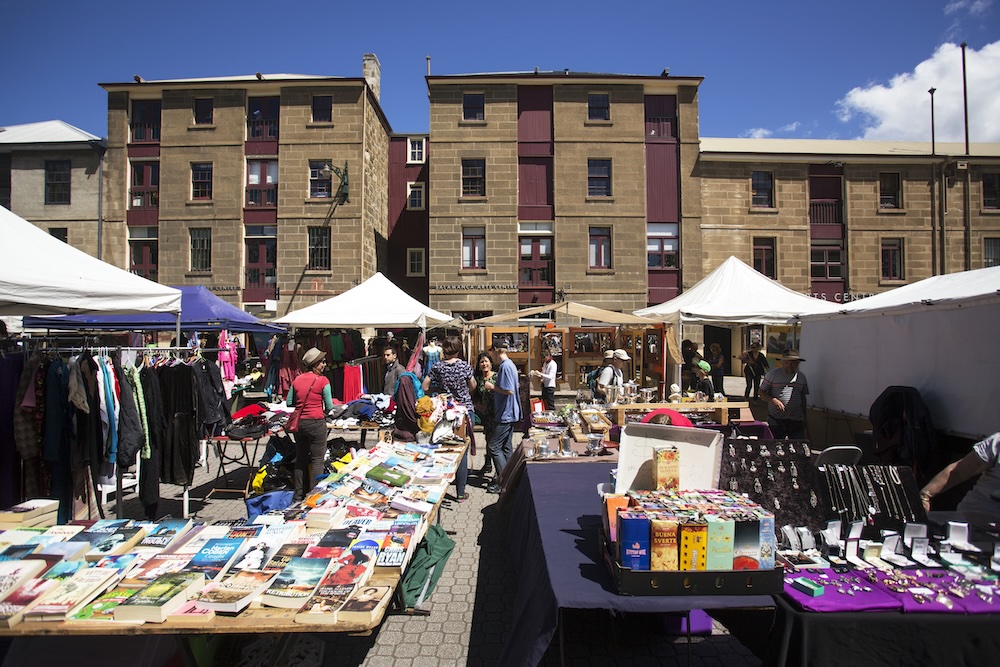
This small but perfectly formed market has it all. A stunning backdrop, where clouds flow off Mount Wellington and 19th century stone warehouses loom directly behind the market, with the estuarine expanse of the Derwent River in front. Independent stalls sell artisan and homemade goods, crafts and local preserves, and local semi-precious stones. There are tastings of honey and gin and mustard. And somehow, for a city so distant from much of the world, it has a cosmopolitan atmosphere, with well-travelled booksellers and a wonderful global array of cuisine.
Mercado Central, Valencia
Valencia is often overlooked in favour of its better-known siblings, Barcelona, Madrid, or Seville. But with wonderful museums, a walled historic centre and great culinary traditions (it is the home of paella) it should be visited. This is a food market for locals, housed in a stunning Art Nouveau building, selling impressively displayed seafood, meats, cheeses, spices and fresh produce. Linger over some tapas and drinks in the central bar.
San Telmo, Buenos Aires
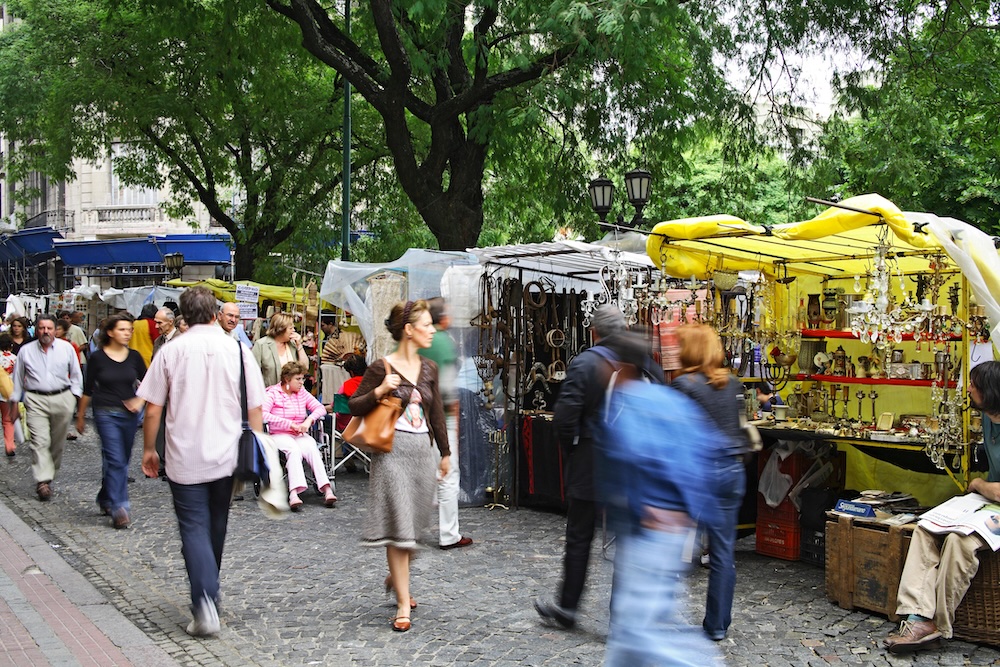
Like the city itself, the market of San Telmo in Buenos Aires has style. The stall holders reflect this style, selling antiques and clothes adjacent to ornate coffee shops and cafes offering delicious empanadas. The indoor market operates throughout the week and the market extends onto the surrounding streets on Sunday, where crowds flow around musicians and tango dancers. We visit this market on our tours to Buenos Aires.
Otavalo Market, Ecuador
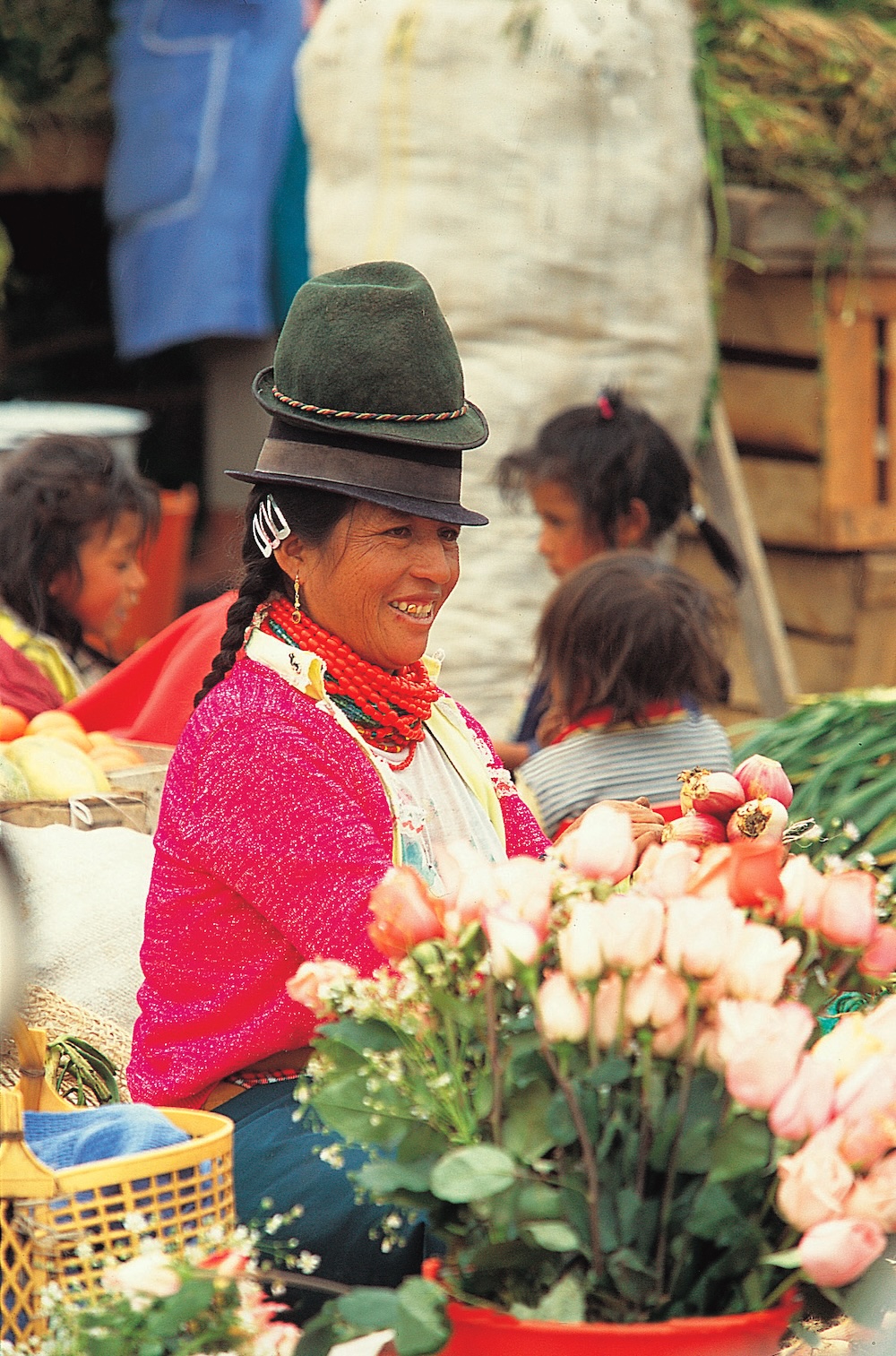
Otavalo, located in the north of Ecuador amongst vivid green, smoothly rounded hills, has long been a trading hub, with a market dating from the pre-inca period. The Otavalans maintain their traditional dress, with women in dark blue woollen skirts and shawls, white blouses, trilby hats, and vivid red and gold beaded necklaces. The men in white trousers, blue ponchos and hats. The market sells brightly coloured textiles, rugs, jumpers and bags, leatherwork, flowers and carved, painted balsa wood animals. There is an adjacent livestock market where locals haggle over sheep and llamas. We visit this market on our tours to Ecuador.
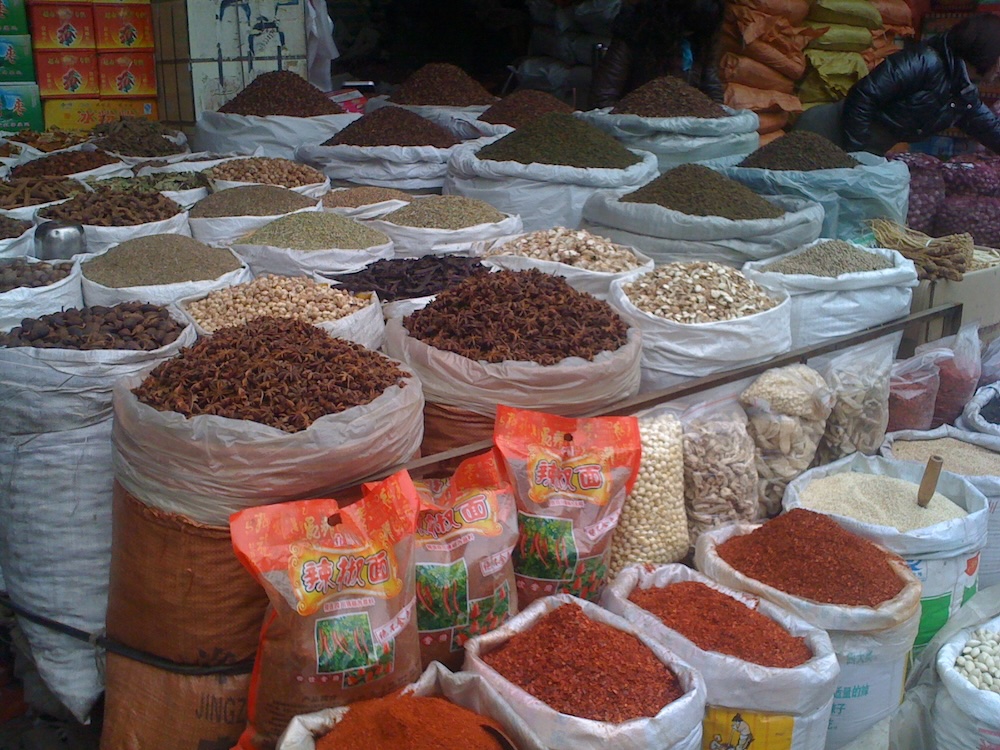
Spice Market, Sichuan
Sichuan is the culinary hub of China and Chengdu’s wholesale spice market is at the heart of Chengdu. The streets carry the essences of Sichuan – pepper and chilli, cinnamon, star anise and black cardamom. Near the spice market is the market selling medical herbs. Nearby are numerous tea houses to relax in and sample another of Sichuan’s culinary offerings. We visit this market on our tours to Chengdu.
Chatuchak Market, Bangkok
Visiting the largest weekend market in the world in the heart of Bangkok was not what I expected. It was calm and clean, orderly and well organised, with an alpha numeric system of rows and corridors. The market was arranged into different sections with the food court at the hub, which is where I went. After a delicious lunch, I enjoyed a foot massage and an iced coffee and left the market refreshed.
Tolkuchka Market, Ashgabat, Turkmenistan
Turkmenistan is known for its traditional Turkmen carpets, with intricate designs and vibrant colours, and the famous golden Akhal-Tepe horses. The trade of horses and carpets formed the heart of the original market, dating back hundreds of years. Today, the large market also sells souvenirs, clothes, jewellery, spices, crafts, fresh produce and a large range of livestock. You can taste local foods from stall holders offering samples.
A Bonus Market – The Witches Market, La Paz, Bolivia
This is a small and very niche market, which is why I have included it as an addition. If you wish to buy a spell or a love potion, this is the market for you. Here are lotions and potions, herbs, spells and small dried animals. All the stallholders are women, although I am unsure if they are all witches.



If you'd like to be notified about our tours and events, please sign up for our email newsletter. We'll keep your email safe and secure in accordance with our privacy policy.


.webp)

.webp)
%20(3).webp)